Analysis of how you stand and walk to identify postural problems, find the source of pain and prevent injuries.
Many problems in the feet, knees or back are linked to the way you walk. A biomechanical assessment helps us understand how you move and why symptoms appear.
What is it?
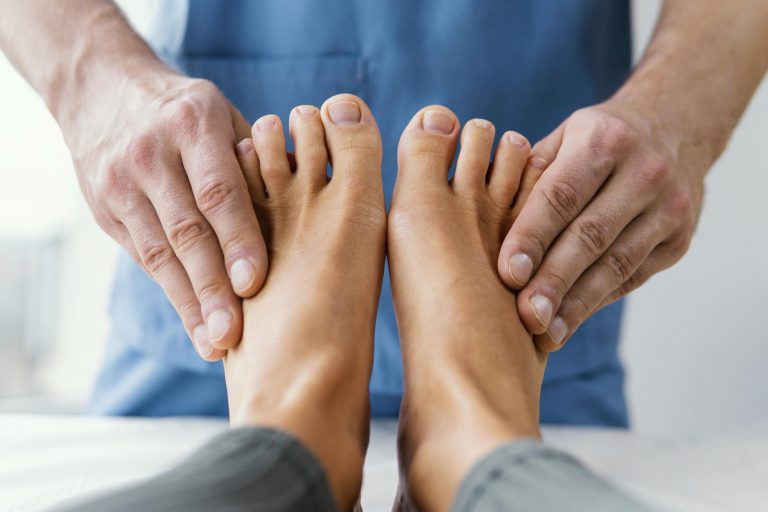
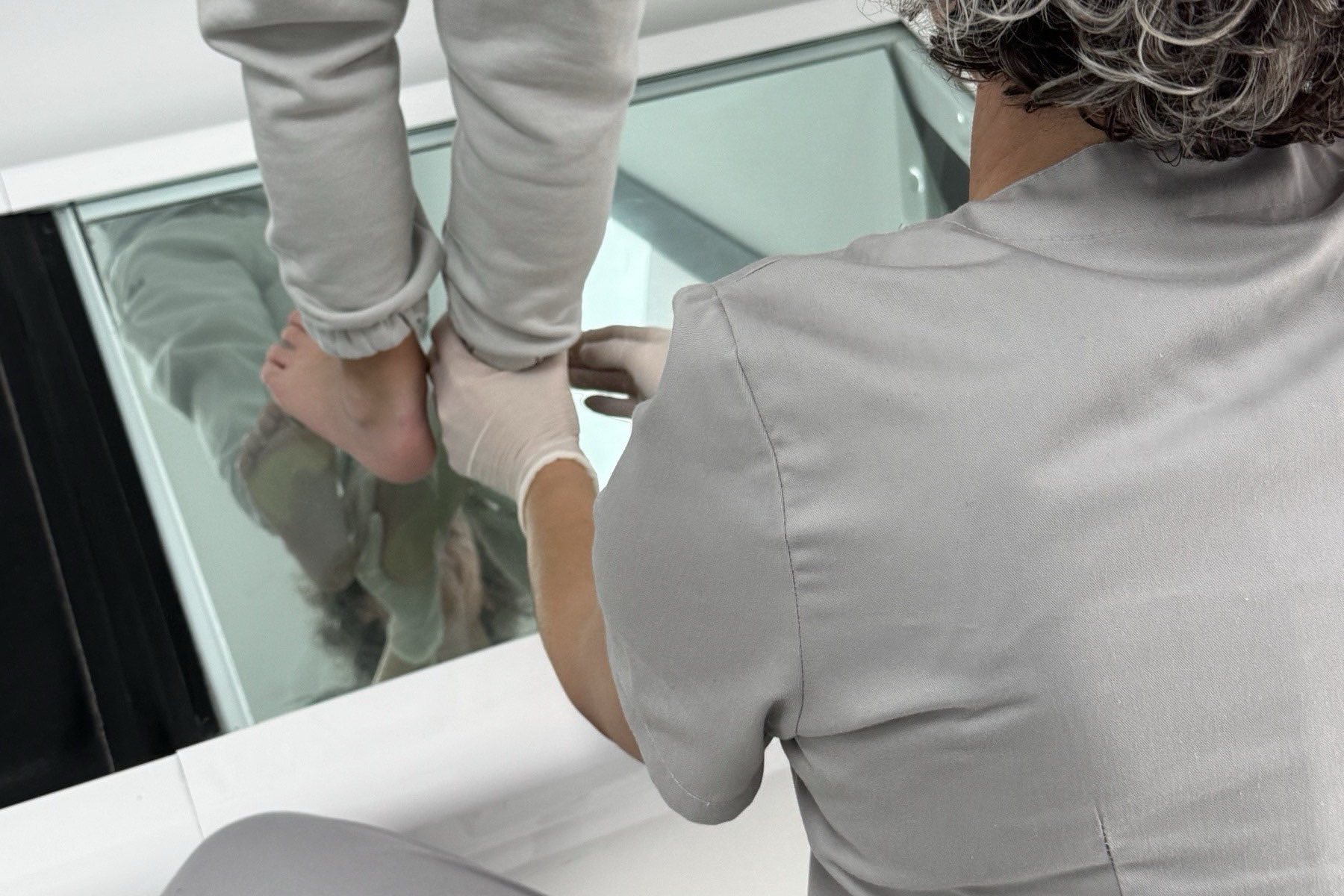
We study the structure and movement of the foot at rest, standing and walking. We analyse how load is distributed and how your foot posture affects your ankles, knees and hips.
When is it recommended?
- Pain in the sole, heel or toes.
- Knee, hip or back problems related to the way you walk.
- Recurring sports injuries.
- Uneven wear on your shoes.
- Walking problems in children.
How we work
- Interview: your symptoms, activity and footwear.
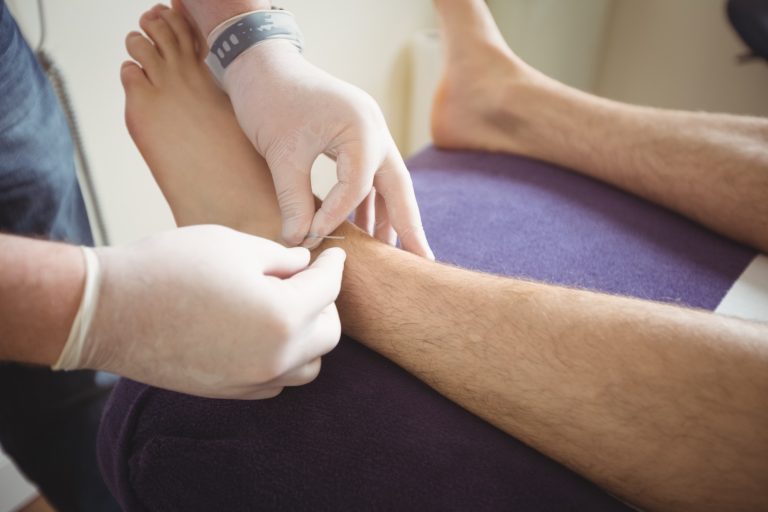
- Examination: on the couch and standing.
- Gait analysis: we watch how you walk or run.
- Results: we explain the findings and the recommended treatment.
Frequently asked questions
How long does the assessment take?
About an hour, depending on the case.
What should I bring?
Comfortable clothing (shorts if possible) and the shoes you wear most, including your trainers.
Does the assessment always end in insoles?
No. Depending on the results, other measures may be more useful: exercises, footwear changes or treating a specific injury. We only recommend insoles when they will help you.
Is it worth doing if I have no pain?
Yes, especially if you play sport, wear your shoes unevenly or have had injuries before. It helps detect overload before it causes symptoms.
The information on this page is for guidance only and does not replace an in-person assessment. Every case is assessed individually at the clinic.