Prevention, assessment and ongoing follow-up to avoid foot complications in people with diabetes.
Diabetes can affect sensation and circulation in the feet. Good prevention and regular check-ups are the best way to avoid injuries and complications.
What is it?
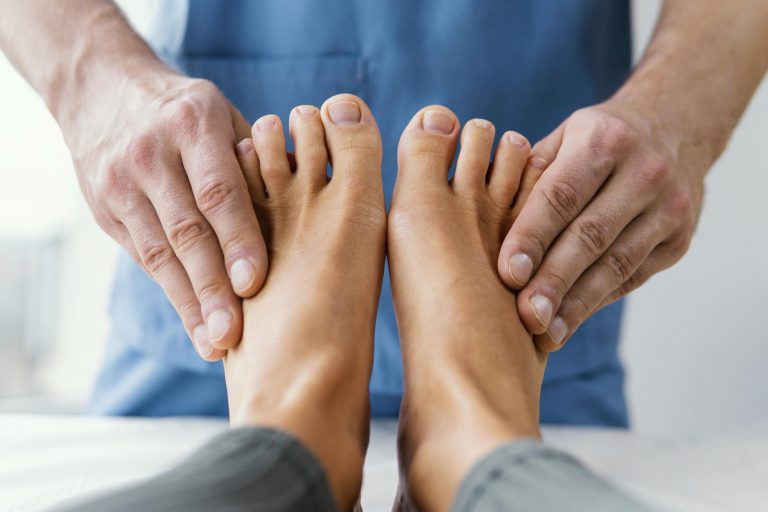
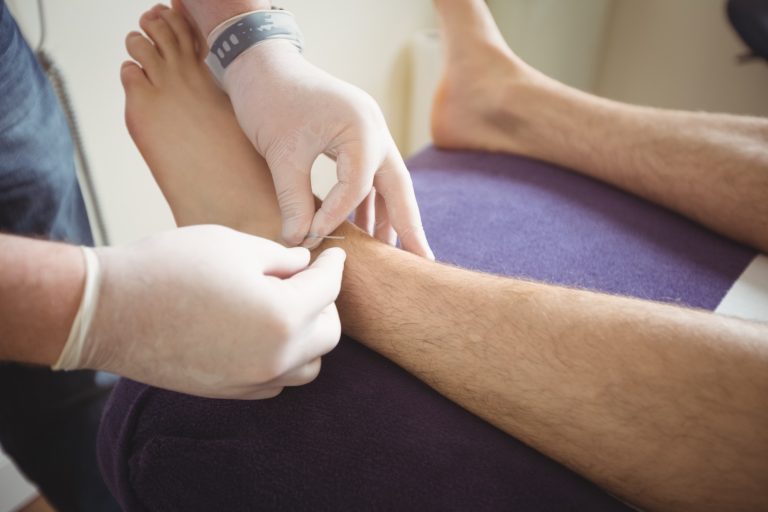
We carry out a full foot assessment: sensation, circulation, skin, nails and the way you walk. With this information we establish your risk level and a care and check-up plan tailored to you.
When is it recommended?
- People with diabetes, as a preventive check-up.
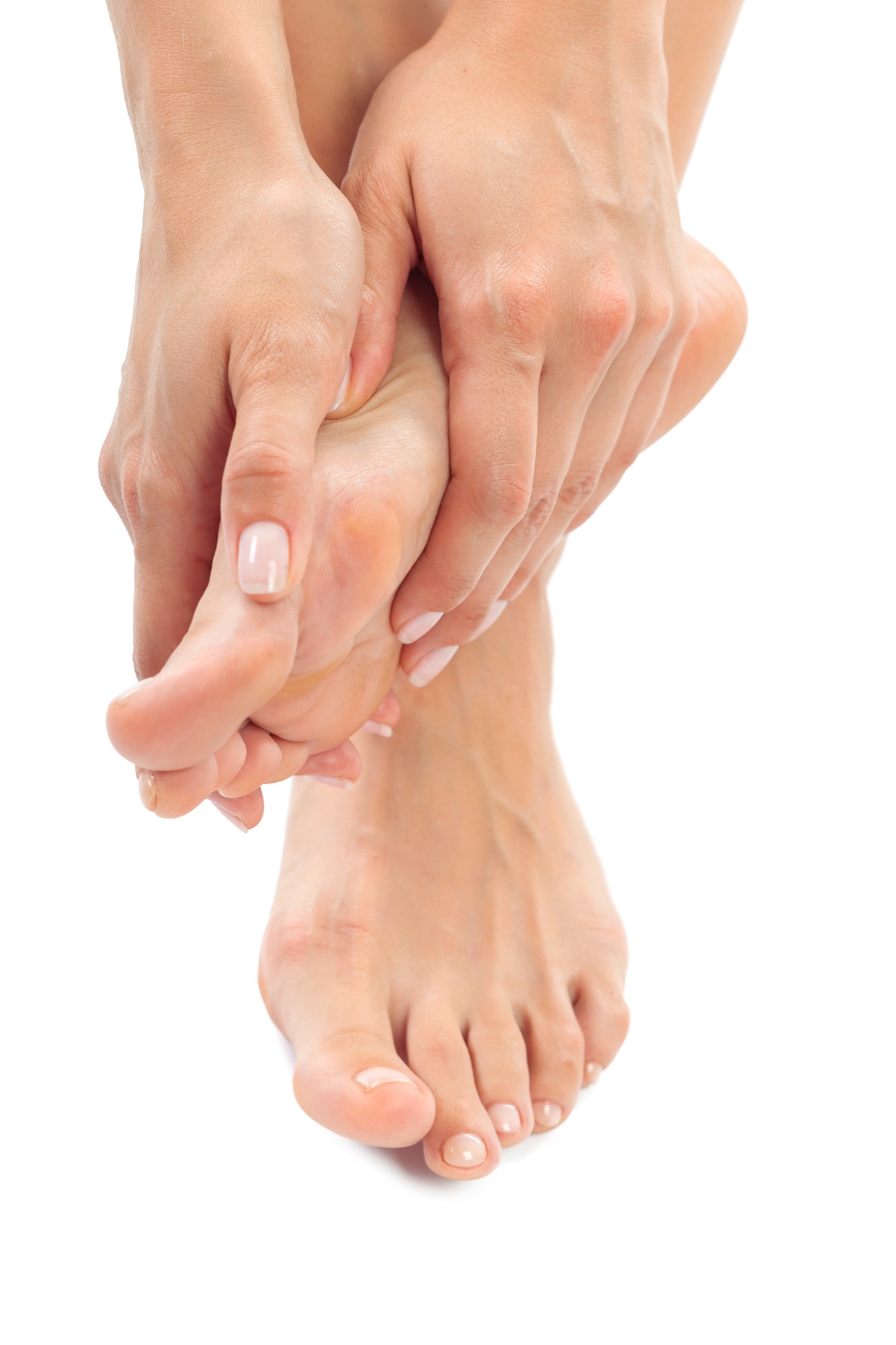
- Loss of sensation, tingling or cold feet.
- Hard skin, calluses or nails that are difficult to cut.
- Wounds or blisters that are slow to heal.
How we work
- Examination: neurological, vascular, skin and nails.
- Risk level: we classify it and explain it to you.
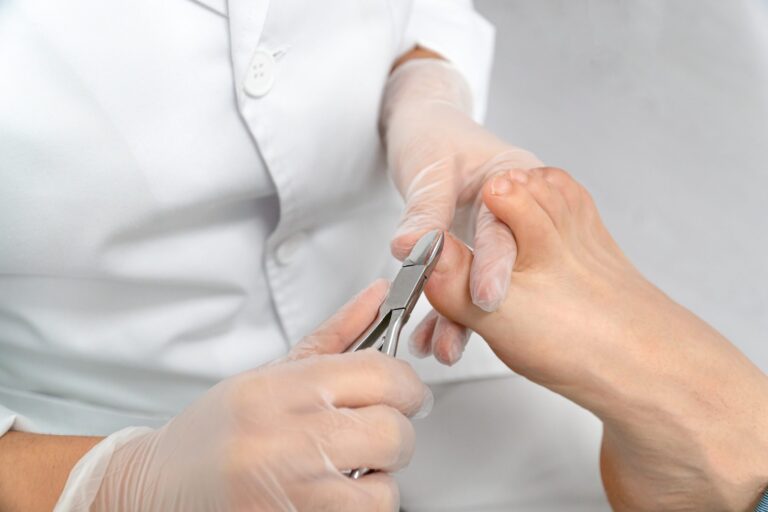
- Care: nail and hard-skin treatment, plus footwear and hygiene advice.
- Check-ups: regular, according to your risk level.
Frequently asked questions
How often should I have my feet checked?
At least once a year is recommended. If your risk is higher, check-ups will be more frequent.
What should I do if I have a wound?
Do not wait: contact us or your doctor as soon as possible. Wounds on a diabetic foot should be assessed promptly.
Can I cut my own toenails?
If you have good eyesight, sensation and circulation in your feet, yes, carefully and straight across. If you have lost sensation, have poor circulation or thickened nails, it is better to have a podiatrist do it.
What footwear is best?
Comfortable shoes with a wide toe box, good support and no inner seams that could rub. Always check the inside of the shoe with your hand before putting it on.
The information on this page is for guidance only and does not replace an in-person assessment. Every case is assessed individually at the clinic.