Diabetes can reduce sensation and circulation in the feet. These daily care tips, together with regular check-ups, are the best way to prevent wounds and complications.
Over the years, diabetes can affect the nerves and circulation in the feet. This means a small rub can go unnoticed and take longer to heal. The good news is that most complications can be prevented with simple care and regular check-ups.
8 daily care tips
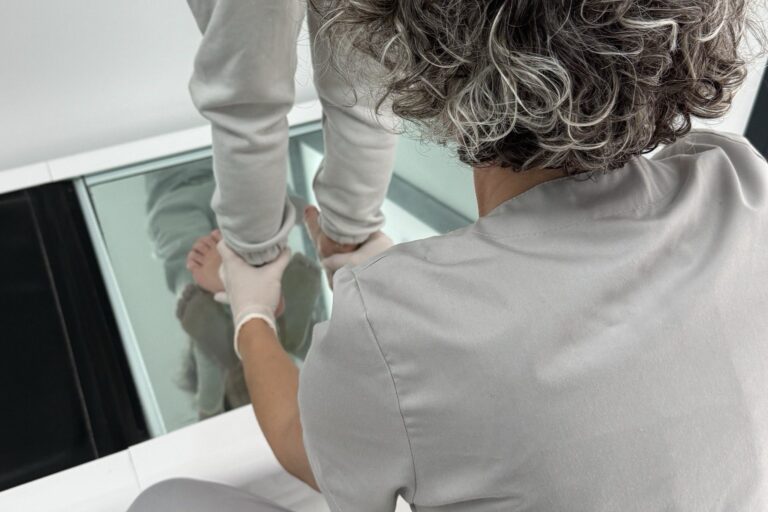
- Check your feet every day, including between the toes and the soles. If you find it difficult, use a mirror or ask for help.
- Wash them in lukewarm water, testing the temperature with your elbow first, and dry them well, especially between the toes.
- Moisturise your skin with cream, but not between the toes.
- Do not walk barefoot, either at home or on the beach.
- Check the inside of your shoes with your hand before putting them on.
- Wear seamless socks that are not tight, preferably made of natural fibres.
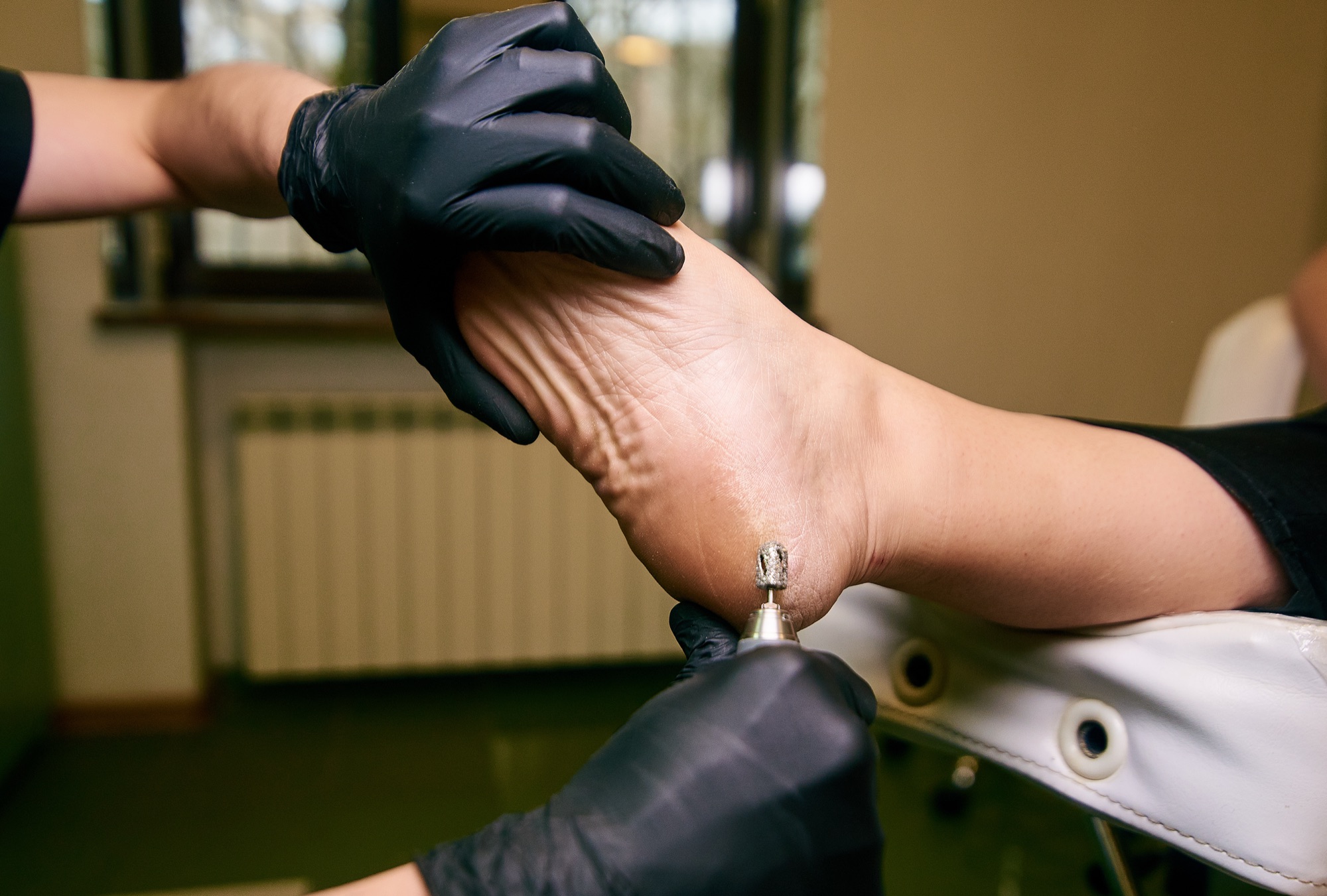
- Do not use corn plasters or sharp objects to remove hard skin.
- Avoid direct sources of heat, such as hot-water bottles or heaters close to your feet.
The right footwear
Look for comfortable shoes with a roomy toe box, good support and no inner seams that could rub. If you have new shoes, break them in gradually and check your feet afterwards. In some cases, custom insoles help to spread the pressure better.
Warning signs
Book an appointment or contact your doctor straight away if you notice:
- A wound, blister or rub that does not improve within a few days.
- Changes in colour, warmth or swelling in the foot.
- New pain, tingling or loss of sensation.
- Nails that dig in, thicken or change colour.
Why check-ups matter
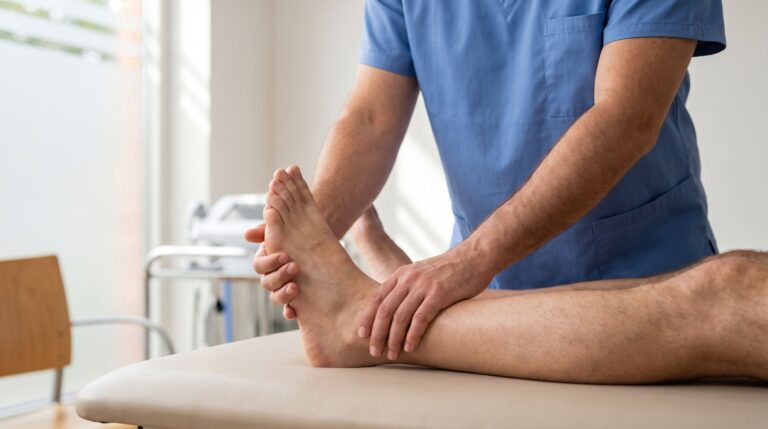
A podiatry check-up assesses sensation, circulation, skin and nails, and establishes your level of risk. From there, we decide how often your feet should be checked. You can read more on our diabetic foot care page.
Frequently asked questions
How often should I see a podiatrist if I have diabetes?
At least one check-up a year is recommended. If your level of risk is higher, check-ups will be more frequent.
Can I have a pedicure?
It is better for nails and hard skin to be looked after by a podiatrist, especially if you have reduced sensation or circulation problems.
This article is for general information and does not replace an in-person assessment. If you have symptoms, book an appointment and we will look at your case.